Tatev and the Rest of Syunik: A Four-Stop Route
Syunik holds a 9th-century monastery, a fortress with 4th-century roots, an 18-meter waterfall, and a field of standing stones.
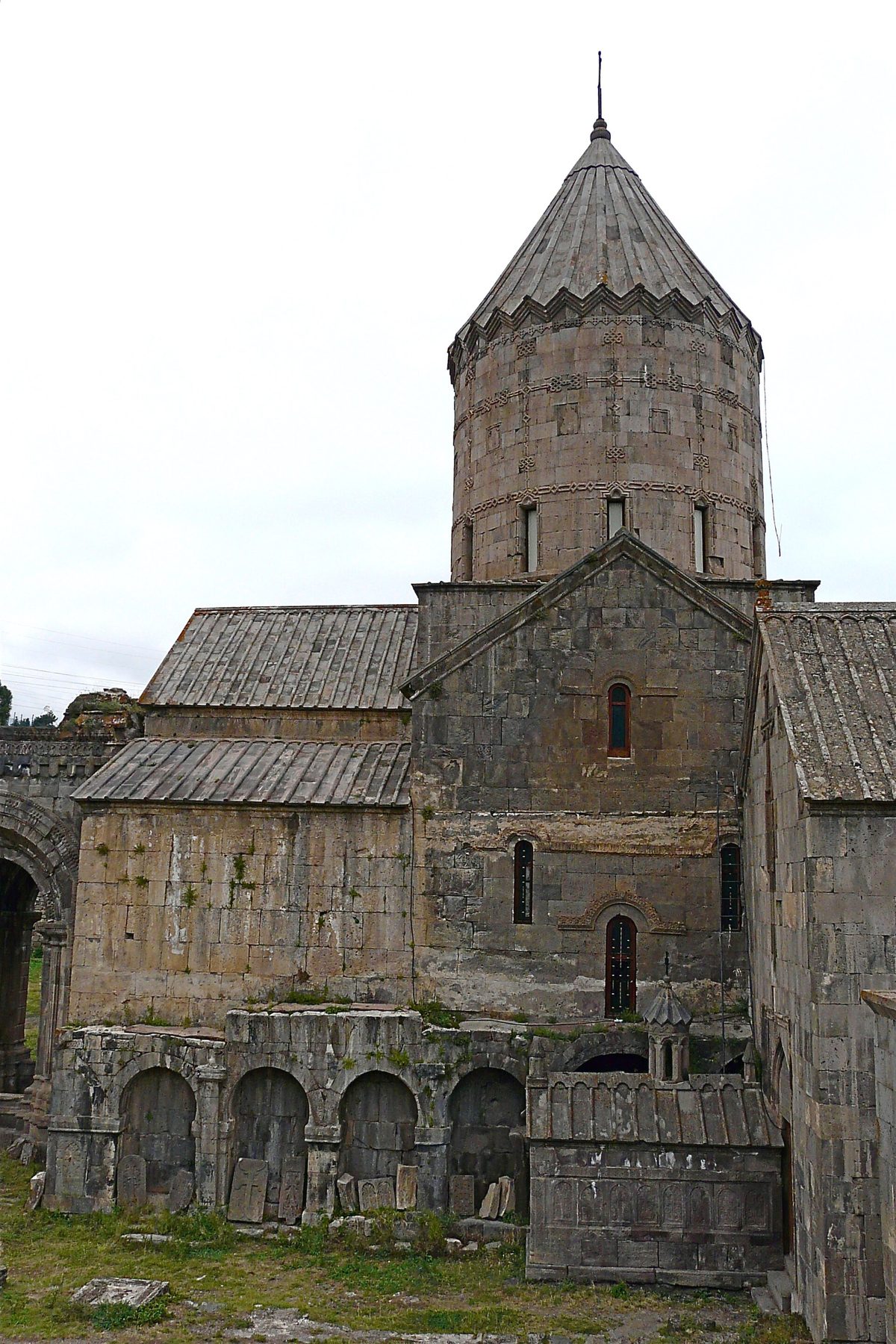
Tatev Monastery is the obvious starting point. It's built around the church of St. Gregory the Illuminator, rebuilt in the mid-9th century by the Syunik prince Philipe — one of the few fixed dates among these four stops.
Baghaberd Fortress follows. It anchored Kapan's defenses during the Syunik kingdom, a stronghold with roots back to the 4th century. Like Tatev, it's a built structure in Syunik, though the summaries don't tie the two sites to each other beyond that.
Shaki Waterfall and Zorats Karer belong together because both are placed near Sisian. Shaki drops 18 meters on the Shaki River, inside the Vorotan gorge, 3 kilometers northwest of the town — a natural landmark rather than a built one.
Zorats Karer closes the route. Also near Sisian, it's a field of standing stones, some pierced with round holes, nicknamed the 'Armenian Stonehenge.' Grouping it with Shaki reflects shared location, nothing more.
Taken in this order — Tatev, Baghaberd, Shaki, Zorats Karer — the route moves from a dated monastery to a fortress with older roots, then to a waterfall and a stone field that the records place near the same town. It's a sequence built on what each place is and where the summaries say it sits, not on any claim about distances or timing between them.


